Media Reserves
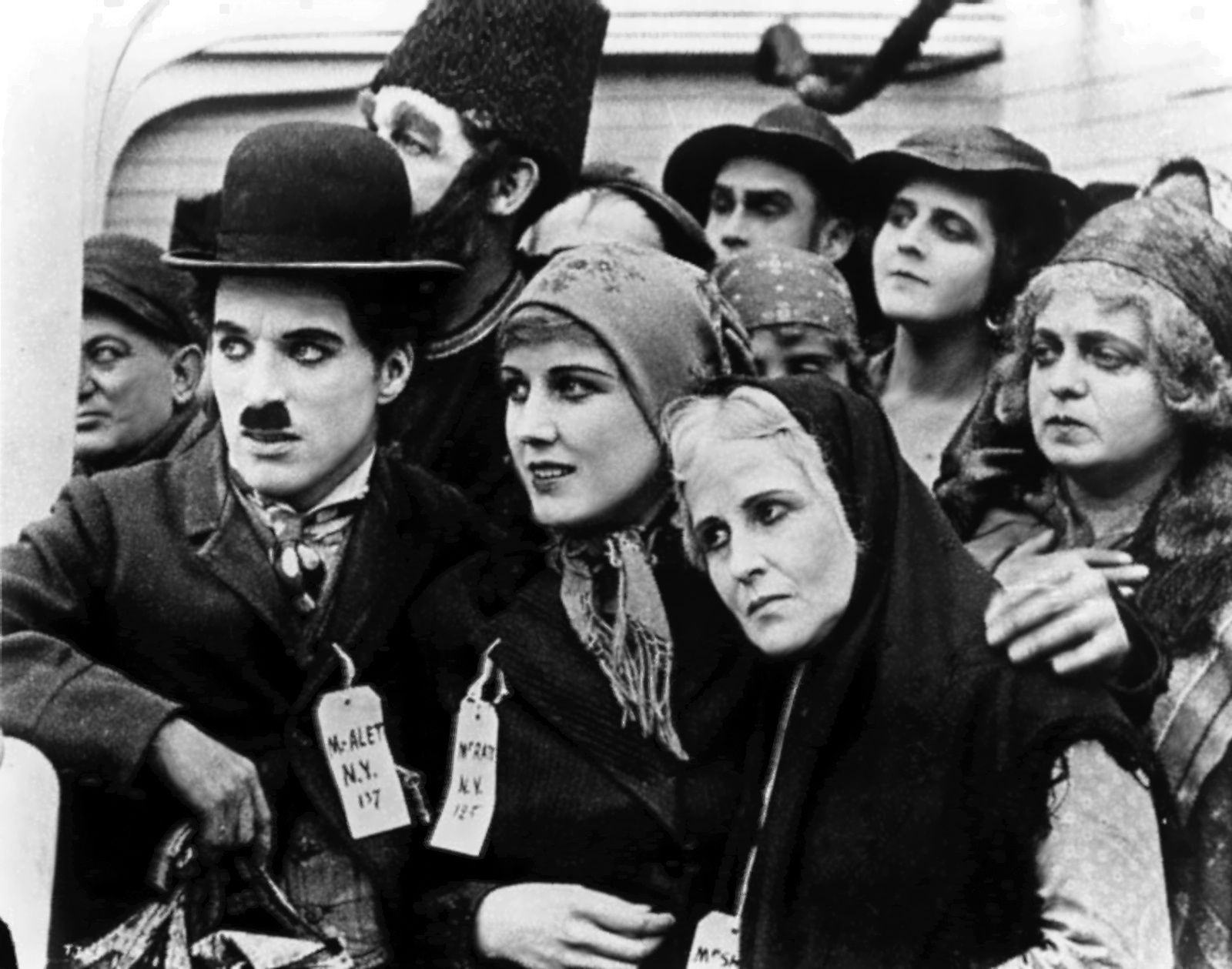
Ensure your students have access to the films and music they need to succeed in class with Media Reserves.
What to Expect
- Up to 2 weeks for most requests. Some requests may take longer depending on availability and sourcing.
- Media Services will provide access links for licensed titles via email when they become available, faculty are responsible for embedding these links in their Canvas Course pages.
- Films that meet the criteria for in-house digitization will be linked to your Canvas Course page on your behalf by a member of Media Services. These films will only be viewable for the duration of the course. These films cannot be downloaded by the faculty member or students.
Guidelines & Criteria
In preparing your Media Reserves request, faculty are urged to consider the planned use of a film relative to Fair Use and the TEACH Act.
All media reserve requests:
- Must be required viewing for a course.
- Must support the core pedagogical goals and methods of the course.
Titles requested for Digital Media Reserves must meet these additional criteria:
- Must be available via an academic streaming resource or:
- Must not be available on any academic or commercial streaming platform
- A physical copy must be owned by Howard-Tilton Memorial Library.
Media Services has a rigorous process in place to source titles and confirm eligibility for in-house digitization. To aid this process, please include as much information about new titles as possible in your Media Reserves worksheet.
Need Help?
The Media Reserves Worksheet requires the use of Microsoft Excel which is available to all students, staff, and faculty through the Tulane University Software Distribution Center.
Questions? Please email mediaservices@tulane.edu.
Additional Resources
Literature
- Adams, Tina M. and Claudia C. Holland. 2018. “Streaming Media in an Uncertain Legal Environment: A Model Policy and Best Practices for Academic Libraries.” Journal of Copyright in Education and Librarianship 1(2), p. 2-32, doi https://doi.org/10.17161/jcel.v1i2.6550.
- Association of Research Libraries. 2012. Code of Best Practices in Fair Use for Academic and Research Libraries. https://www.arl.org/wp-content/uploads/2014/01/code-of-best-practices-fair-use.pdf
- Association of College and Research Libraries. 2018. Guidelines for Media Resources in Academic Libraries. http://www.ala.org/acrl/standards/mediaresources
- Hooper, Lisa, Regina Longo, and Jennifer Zuccharo. "Digitization in the Age of COVID: Toward a Codified Community of Practice" in JCSM: Teaching Media (Spring 2021) https://quod.lib.umich.edu/j/jcms/18261332.0060.707/--digitization-in-the-age-of-covid-19-toward-a-codified?rgn=main;view=fulltex
- Society for Cinema and Media Studies. 2008. “The Society for Cinema and Media Studies’ Statement of Best Practices for Fair Use in Teaching for Film and Media Educators.” Cinema Journal 47(2), p. 155-167. https://cmsimpact.org/wp-content/uploads/2016/03/scms_teaching_statement_-_20.pdf
- Tanasse, Gisèle. "Implementing and Managing Streaming Media Services in Academic Libraries." Choice White Paper No. 8. (June 2021). https://www.choice360.org/research/implementing-and-managing-streaming-media-services-in-academic-libraries/