Home / About / About Tulane University Libraries / Art at the Library
Art at the Library
Floor 1
From Within
Artist: Emma Fick
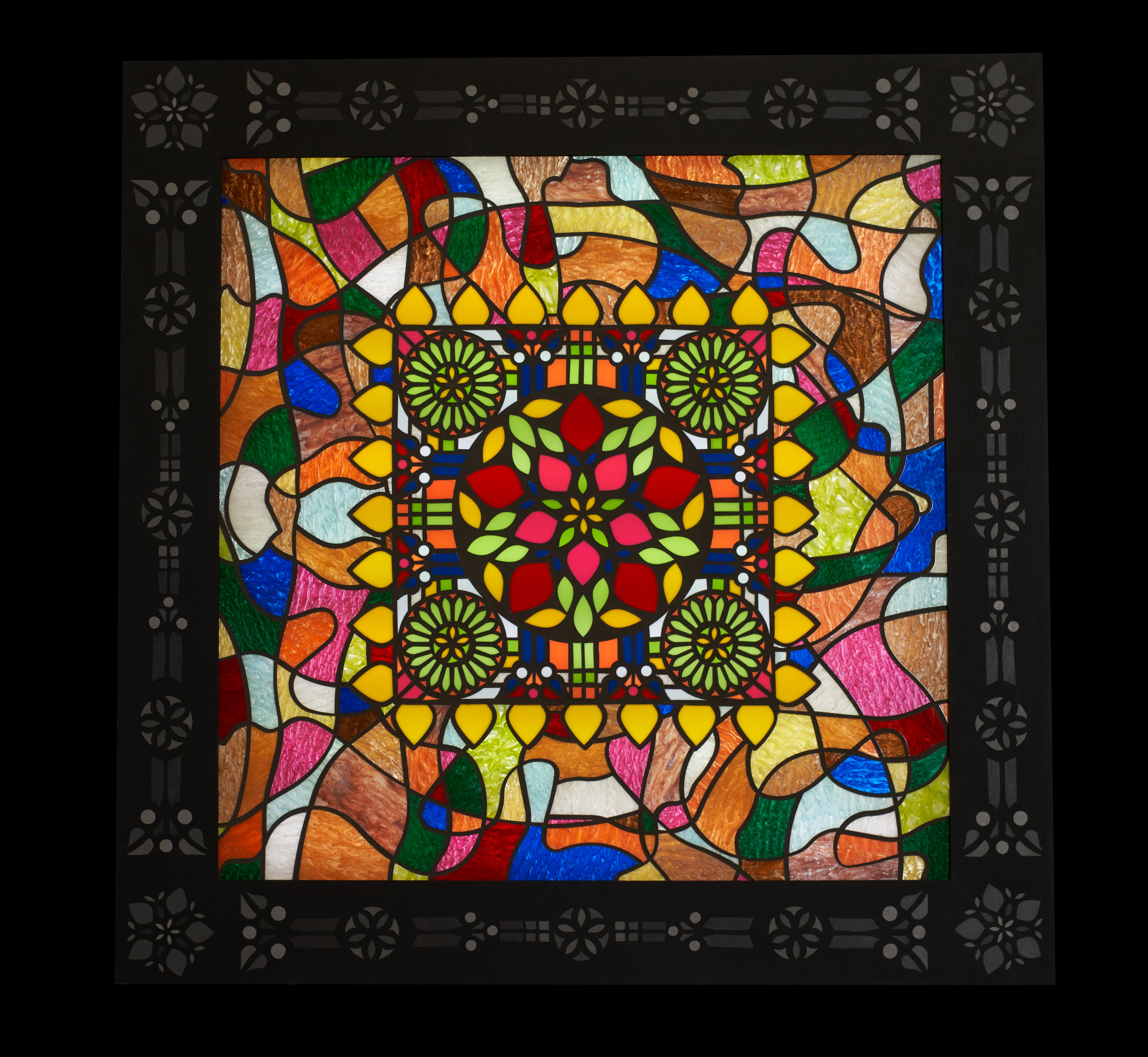
This triptych design draws inspiration both from traditional stained glass and a kaleidoscope, representing the ever-changing and multifaceted nature of knowledge. Each panel of From Within plays with contrasts: the interior, with its geometric precision, represents the more concrete disciplines like mathematics and sciences, while the abstract shapes around the edges symbolize the arts and humanities. This interplay between order and abstraction mirrors the interdisciplinary approach essential to deep learning.
In Search of Language
Artist: Emma Fick
Complementing From Within, this mobile installation complements the stained glass by further exploring the theme of how we grasp and communicate knowledge. Together, these pieces create a serene, thought-provoking environment that enriches the learning experience at Tulane.
Floor 2
KaleidoSophia
Artist: Walker Babington
This "kaleidoscope of knowledge," is constructed from recycled pieces of New Orleans' storied past, including the historic floor of the Pearl Dance Club and images from Tulane University’s Special Collections (TUSC). This installation not only celebrates the city's cultural heritage but also transforms it into a medium for introspection and learning.
Elemental Harmony- Blue Hill Bay, Maine (October 1974)
Philosopher’s Spring- Walden Pond (October 1974)
Artist: William Brumfield
In the 1970s, Tulane alumnus and professor of Slavic Studies William Brumfield began photographing sites of ruin around New England, and later Louisiana, to “explore the formal and textural possibilities of photography.” This series, which he would later call “Lost America”, is “a vision of stress points and loss in American society.” See more of the series at lostamerica.wp.tulane.edu
Slave Rebellion Reenactment
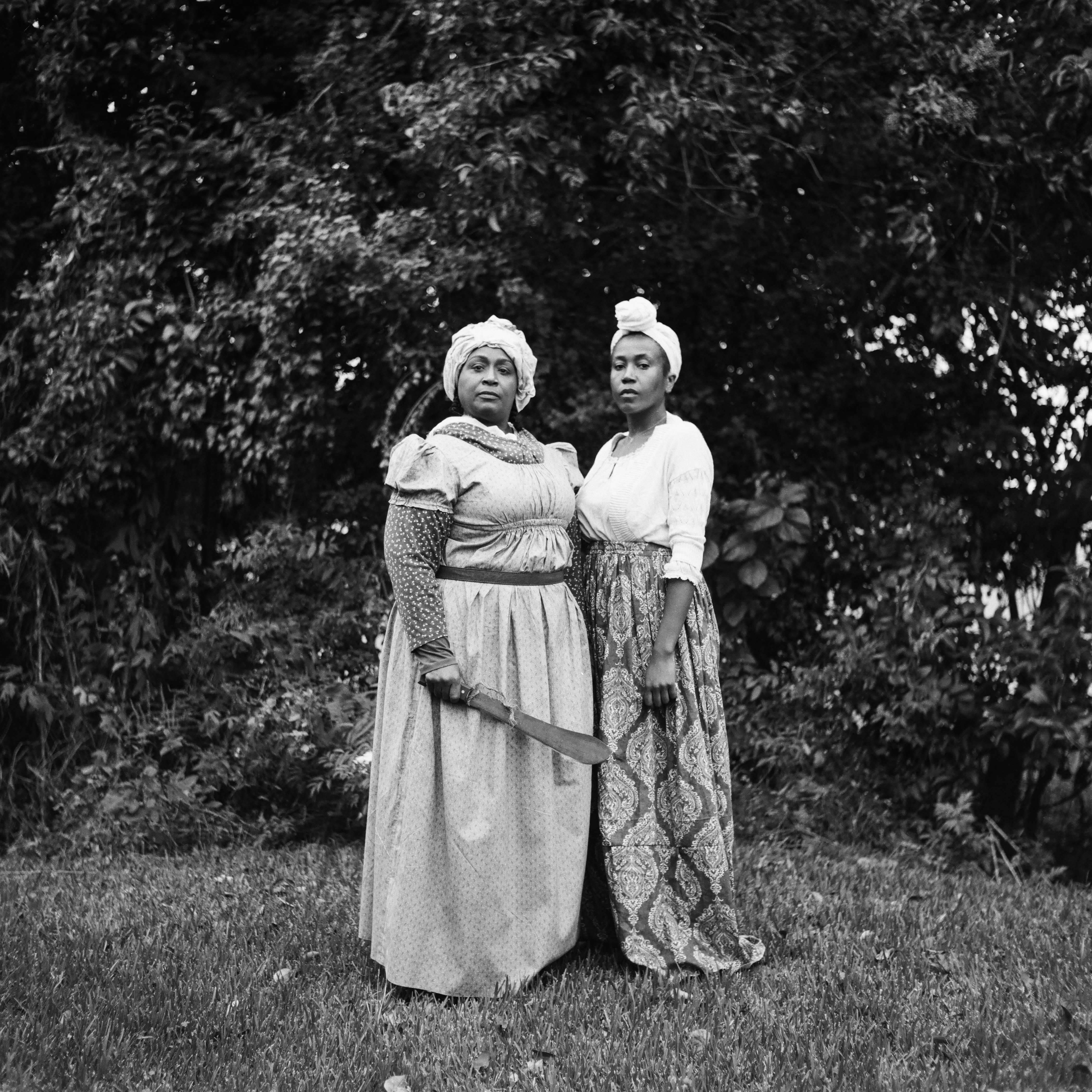
Photographer: Daniella Zalcman
In 2019, artist Dread Scott staged the Slave Rebellion Reenactment – a large-scale recreation of the 1811 German Coast Uprising, the largest revolt of enslaved people in U.S. history. Reenactors marched twenty miles along the Mississippi River, past former plantations and chemical refineries, to finally end New Orleans’ Congo Square. Photojournalist and Tulane professor Daniella Zalcman documented the two-day event in a series of stunning black and white photographs, two of which are on permanent display in the Howard-Tilton Library.
Student Photography Showcase
Curated by: Newcomb Art Department
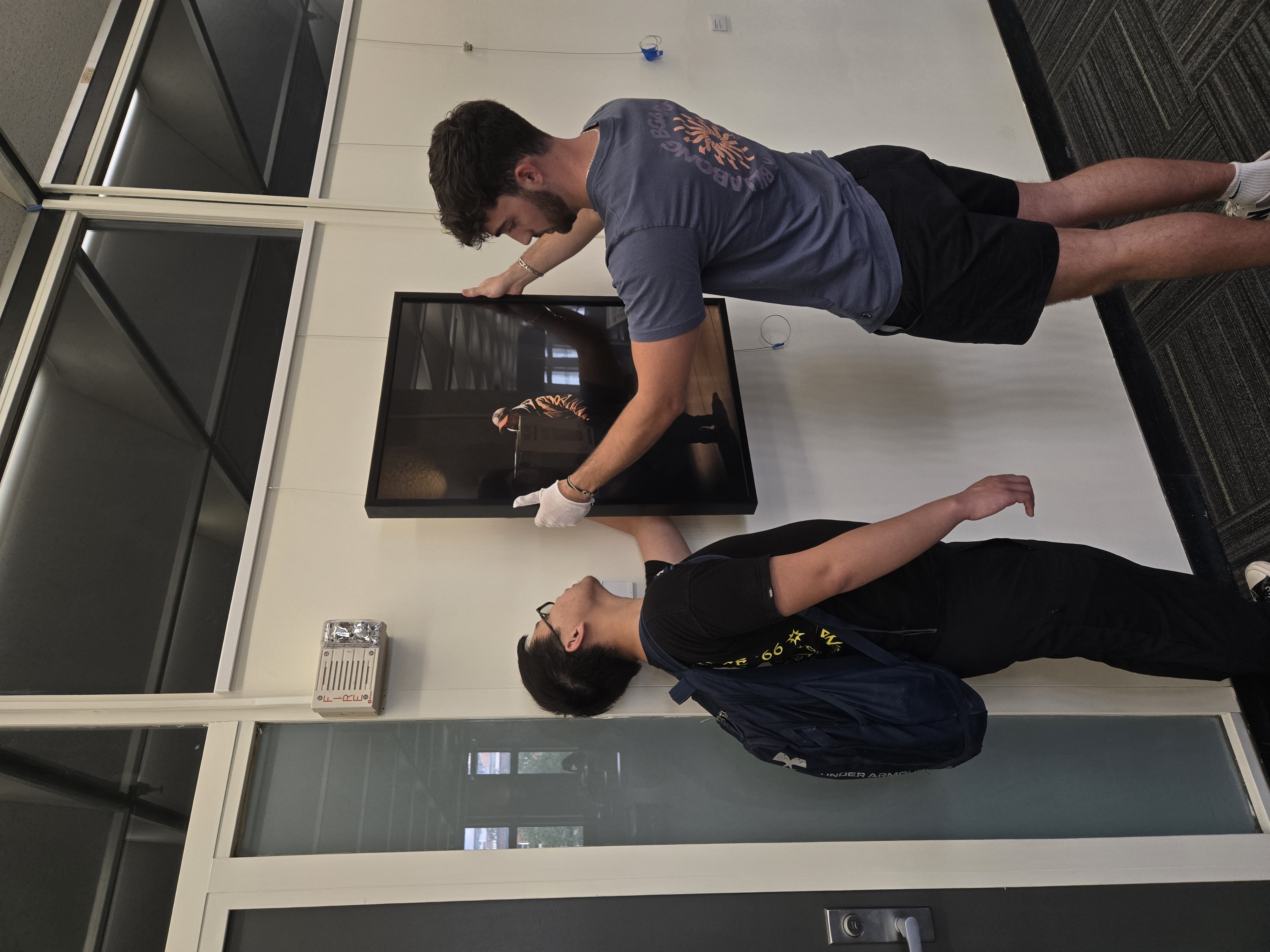
This rotating exhibition highlights exemplary work from Tulane students, curated in partnership with the Newcomb Art Department. New works are selected annually and displayed throughout the second, third, and sixth floors, showcasing the creativity and diverse perspectives of Tulane’s student artists.
Floor 3
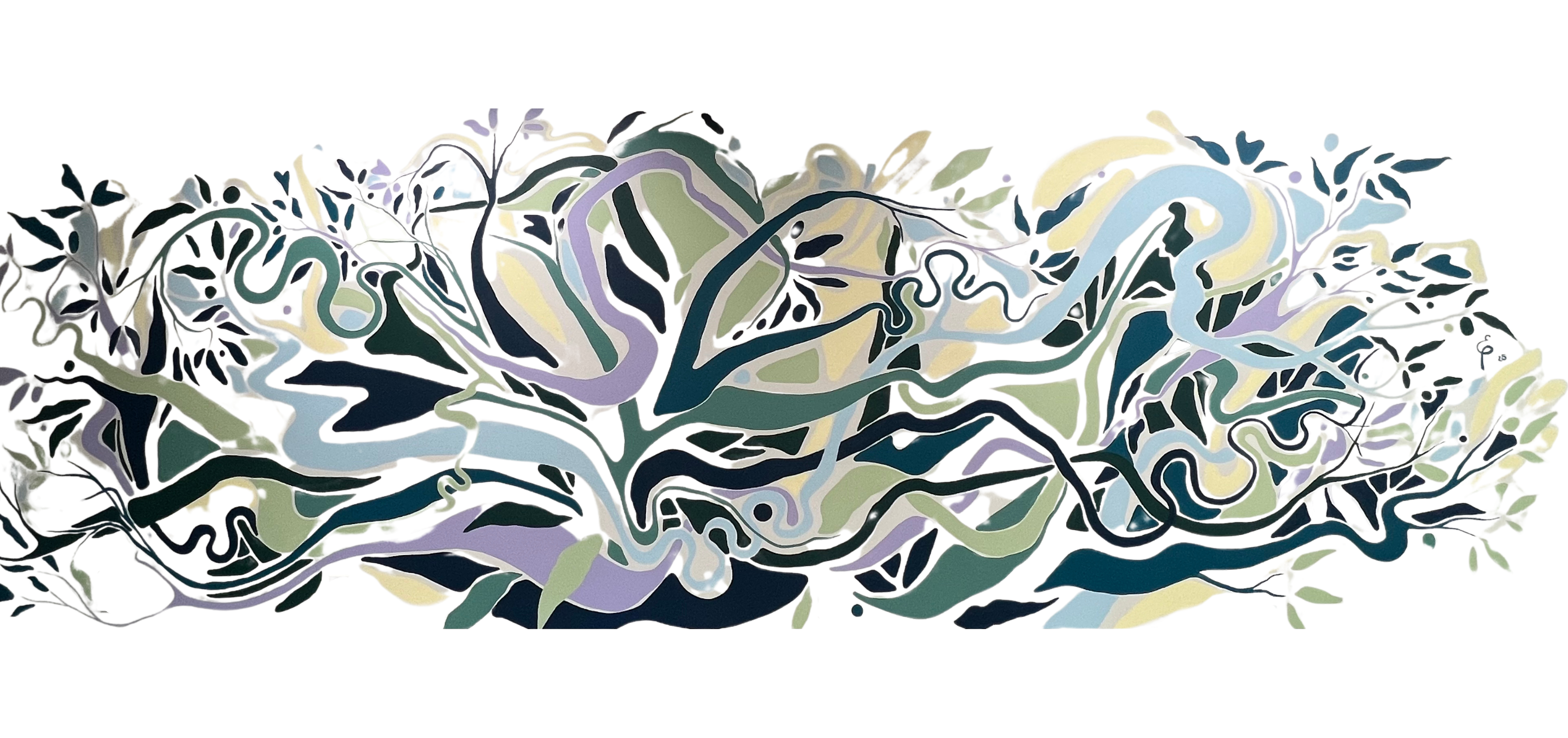
Branches and Bends
Artist: Eli Pillaert
This mural installation is directly inspired by the oak trees and winding waterways of the lower Mississippi Delta. It was created by Tulane alumnus Eli Pillaert, who says of the piece “the work introduces a motif of shade and relaxation throughout the space, while also serving as a reminder of the vital role green spaces play, not only as recreational public areas, but also as essential components of stormwater management infrastructure. Large-scale work reflects my commitment to creating art that is not only seen, but experienced—art that inspires a livable and vibrant future for the Gulf South.”
Student Photography Showcase
Curated by: Newcomb Art Department
Floor 4
Gallery of the Doris Z. Stone Latin American Library and Research Center
Curated by the Doris Stone LAL, this exhibition area features rotating displays highlighting Latin American and Caribbean art, culture, and history.
Legacies of Design: The Mexican Silver Renaissance
Sutherland-Taxco Collection
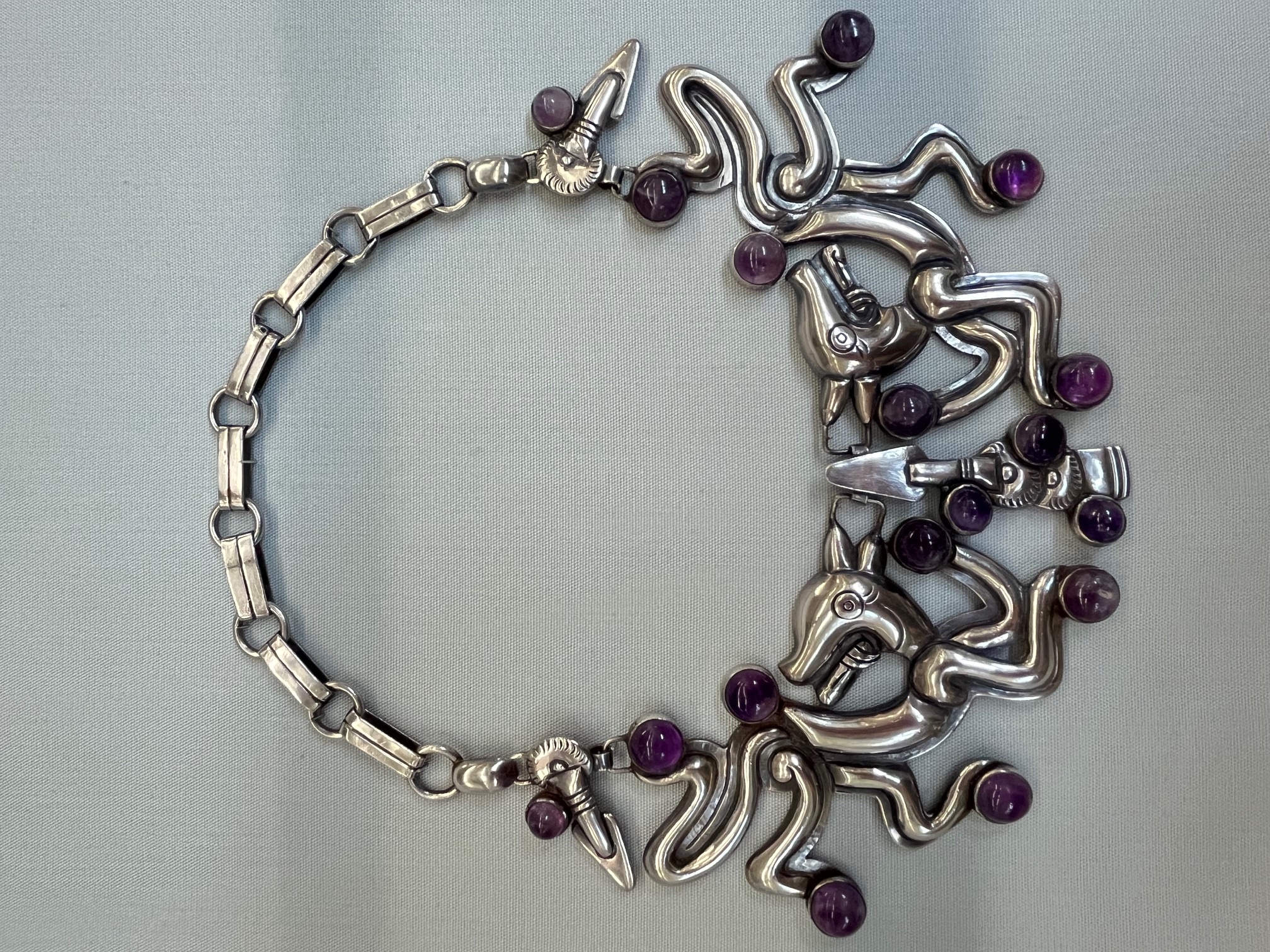
Silver designers and artisans who worked in metals, stone, enamel, and wood established the handwrought industry that became the Mexican silver renaissance in Taxco, Mexico (1930-1970). This permanent display features the works of the founders of the Taxco workshops. Imaginative, contemporary interpretations of early Mesoamerican art expressed a collective identity forged in a common tradition.
Facsimile of the Codex Tulane / Códice Huamelulpan
A mid-sixteenth century Mesoamerican painted manuscript on deer hide, the codex consists of inscriptions likely used in court proceedings for land litigation. A mythological origin scene is followed by the genealogies of two dynasties from Acatlán and Chila in the Mixtec-speaking region of Puebla in southern Mexico. This facsimile is only slightly larger than the original 12.25-foot manuscript, one of the rarest items in Tulane’s collections.
Rubbings of Maya Monuments
Merle Greene Robertson
Throughout the Seminar Room are examples of the thousands of life-sized copies of ancient Maya carvings recorded by Robertson, an archaeologist and art historian, using a proprietary ink and rice- paper technique. Her work to preserve the content of these monuments from archaeological sites in Mexico and Central America has been critical to the study of historical Maya art and writing.
Floor 6
Audubon’s The Birds of America
Artist: John James Audubon
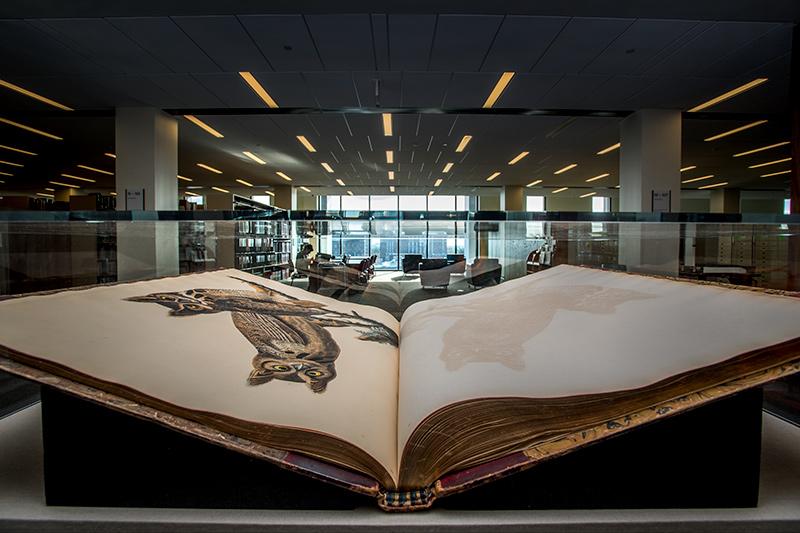
Audubon’s Birds of America is a monumental work of art and science, bringing to life over 400 species from across the continent. It was completed in 1838, and today only 120 complete copies are known to exist. Tulane University Special Collections is fortunate to preserve three of the original four volumes, and through a tradition known as "Flipping the Bird" has allowed the public to view these rare, delicate works up close.
Student Photography Showcase
Curated by: Newcomb Art Department
Student Furniture Showcase
Program: School of Architecture and the Built Environment – Design Program
The furniture prototypes in this space are created by students in DESG 3010: Prototyping. Every Fall, they are given an assignment to design and fabricate a piece of furniture out of a single sheet of wood. Exemplary work is chosen for display in the library for the rest of the year.
6th Floor Exhibit Wall
Curated by: Students and Tulane Libraries
This gallery offers students the opportunity to curate exhibits featuring their research and artistic work. Library-curated exhibits typically feature materials that speak to the concerns and interests of the broader Tulane community
Floor Maps
1st Floor Map
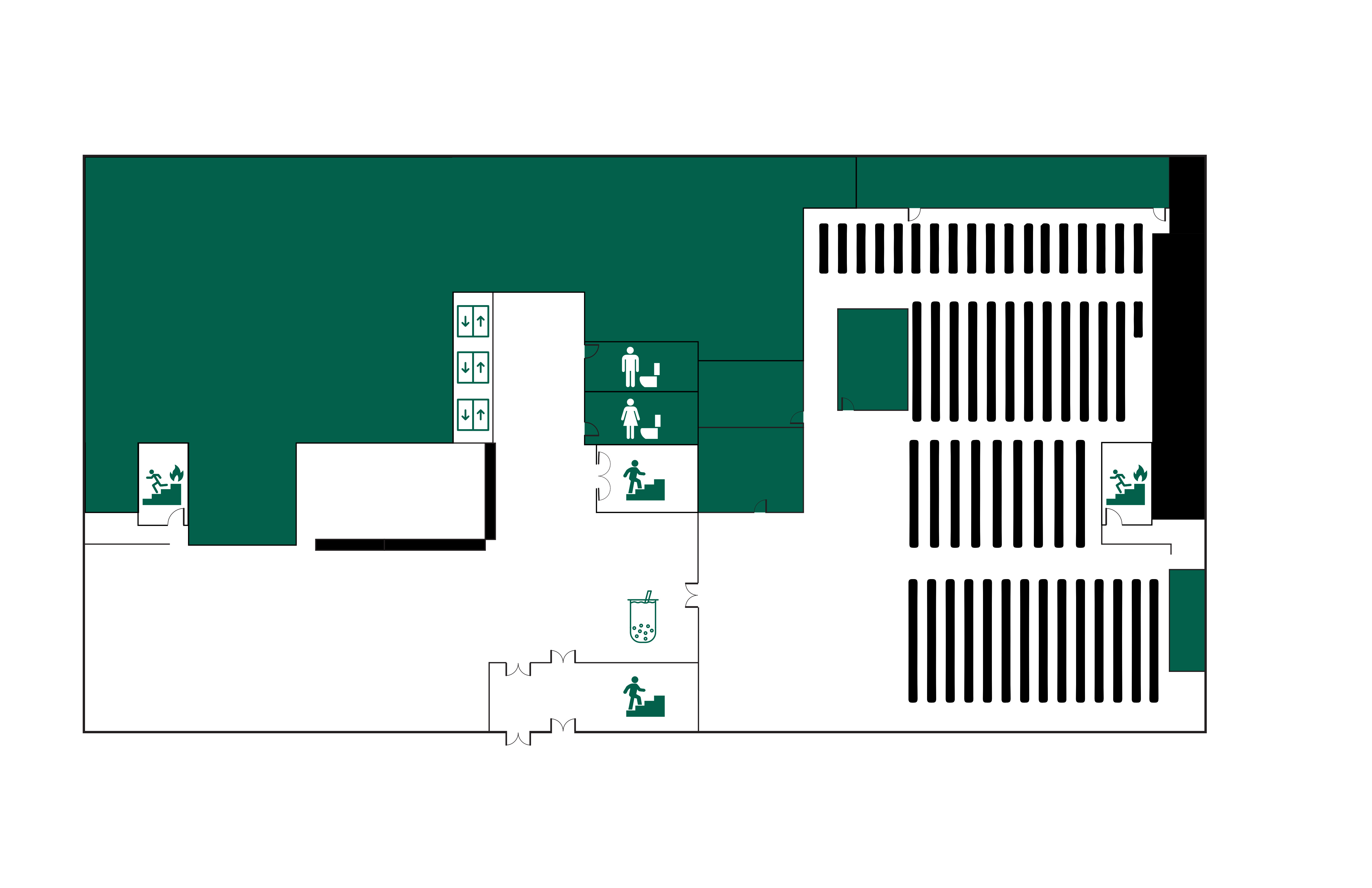
2nd Floor Map
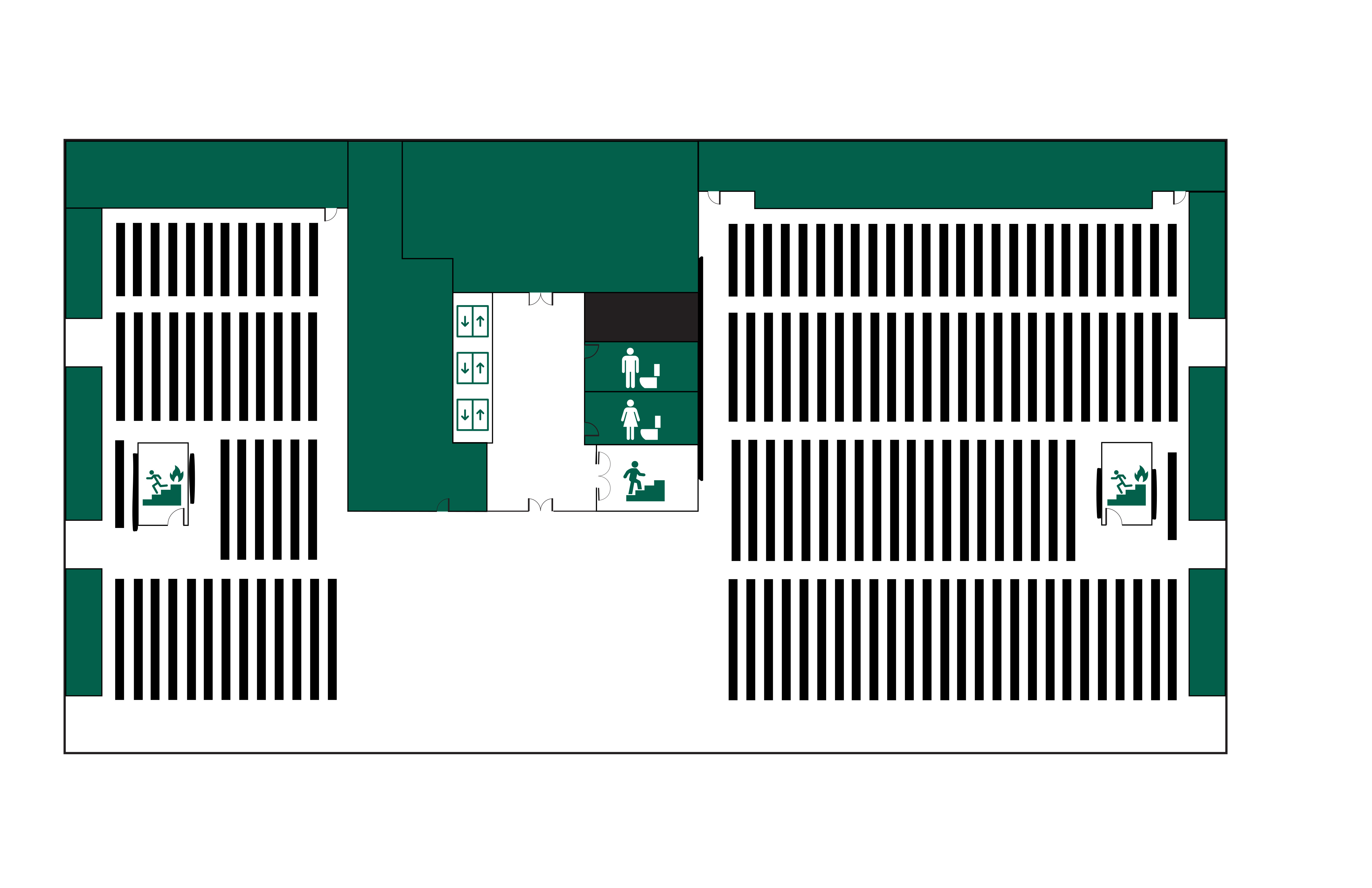
3rd Floor Map
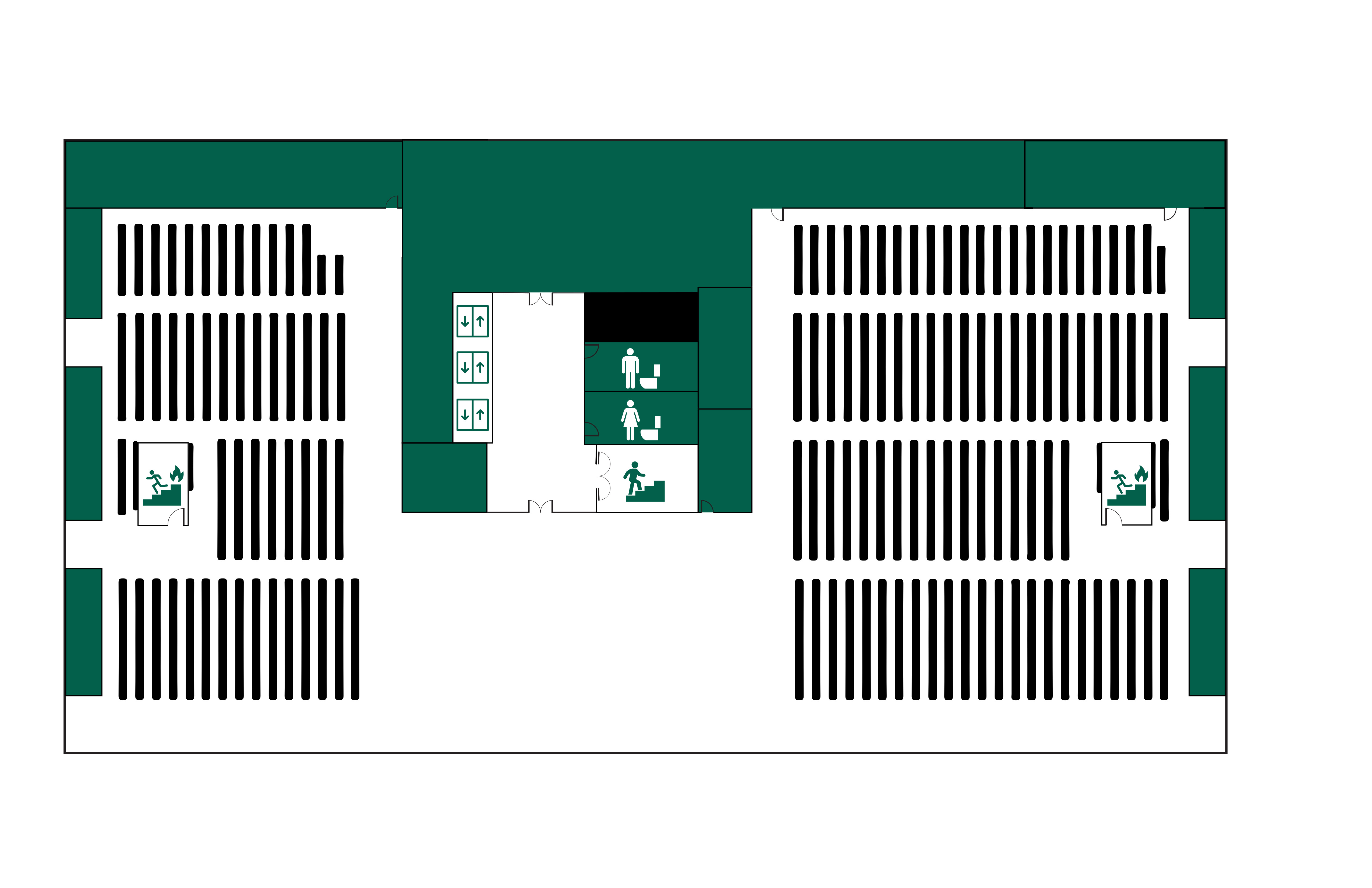
5th Floor Map
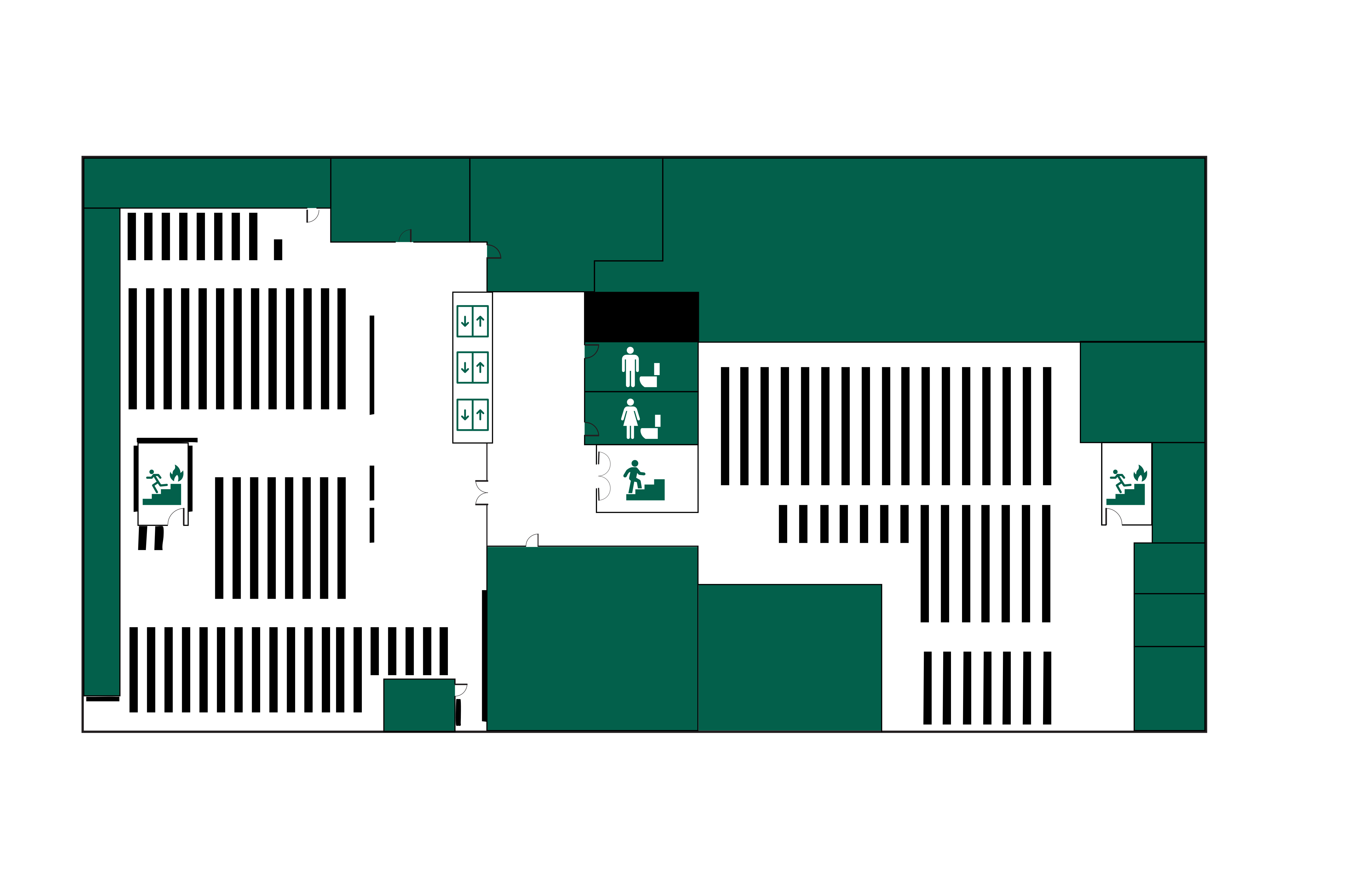
6th Floor Map