Transforming Tulane’s Rare Books Collection: A Major Milestone Achieved
Published
From July 2024 to November 2025, Tulane University Special Collections undertook an ambitious project to dramatically improve access, organization, and long-term stewardship of one of the University’s most significant scholarly resources.
Tulane’s rare books collection encompasses approximately 100,000 volumes, ranging from 12th-century manuscripts to incunabula, early modern botanical and scientific illustrated books, contemporary artists’ books, zines, and fine press editions. Originating in 1938 as part of the Howard Public Library, the collection has moved several times over the decades—from the Howard-Tilton Library’s fourth floor to Jones Hall in the late 1990s, and finally to the sixth floor of Howard-Tilton Memorial Library following Hurricane Katrina.
After nearly thirty years without a trained rare books librarian overseeing the collection, the library appointed a rare books curator, who began to identify long-standing challenges in locating materials, identification, storage, and preservation.
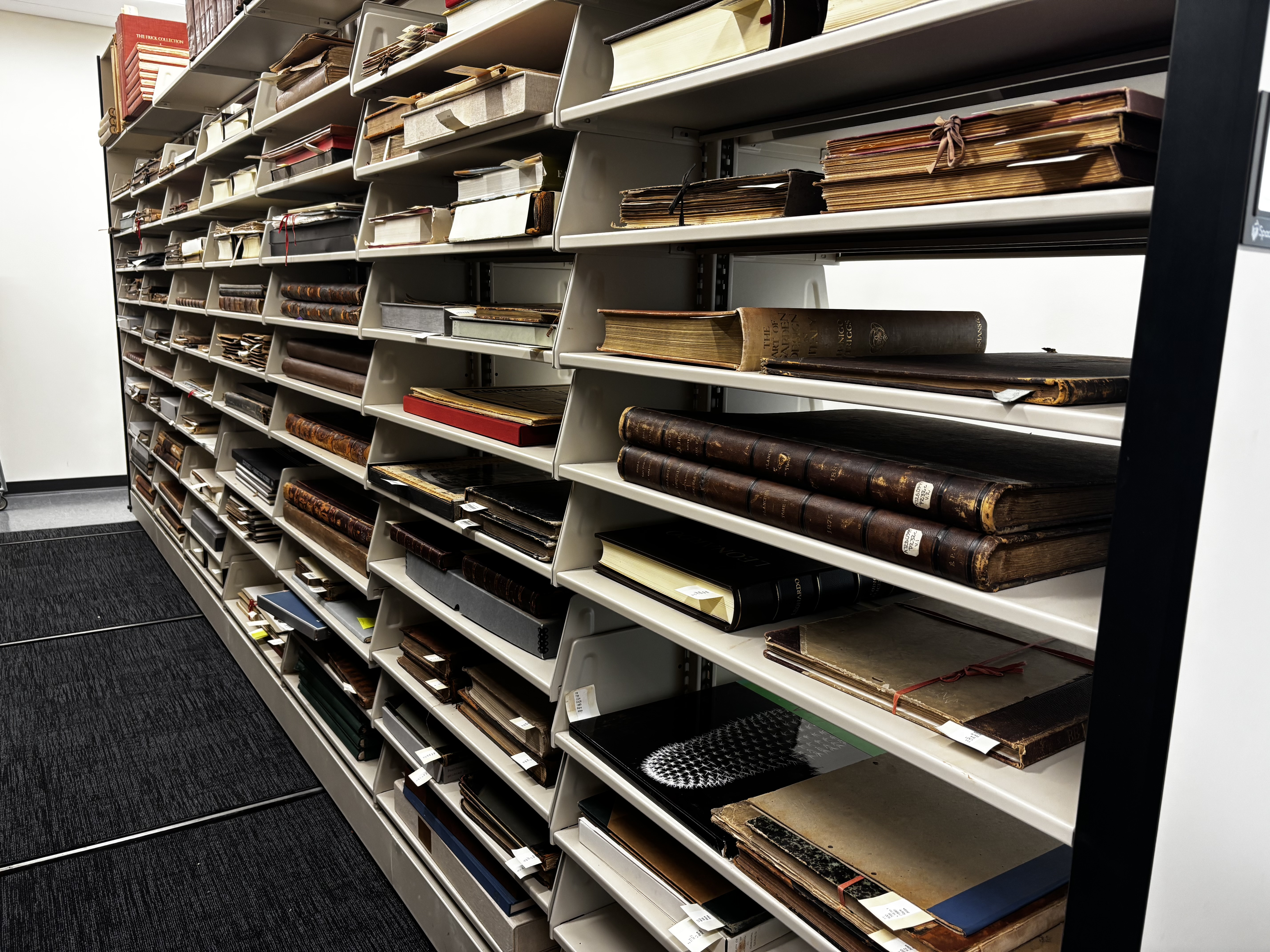
In Fall 2023, the curator collaborated with Tulane Libraries’ Technical Services staff to launch a comprehensive project that would improve intellectual and physical access to the collection. Core goals included reclassifying materials from the legacy Dewey classification system to Library of Congress Classification, cataloging uncatalogued and non-English language materials, integrating discreet collections into a unified arrangement, installing flat shelving for oversized volumes, and creating space for future growth of the collection. Due to the significant resources required to accomplish this work, the bulk of the initial reclassification, inventorying, and barcoding work was performed by a contracted vendor.
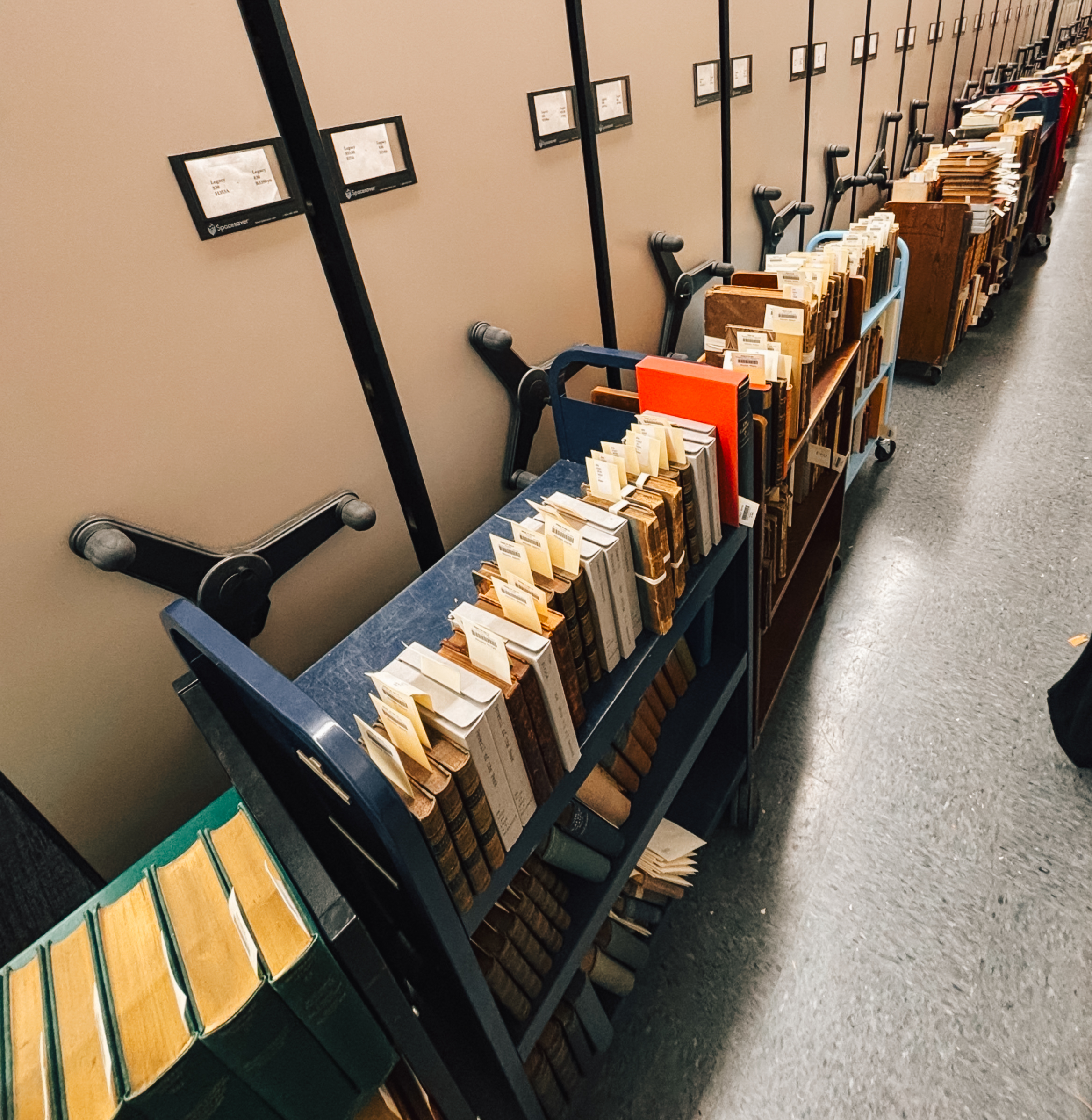
After the vendor’s contract ended, TUSC staff assumed responsibility for finishing flat shelving installation, and interfiling and shifting over 33,000 rare books. The TUSC team completed this work in just four weeks and spent another four weeks correcting shelving errors, barcoding missed items, reorganizing oversized materials, preparing duplicates for donation, improving wayfinding through new shelf labels, and thoroughly cleaning the storage area.
While some routine cataloging remediation remains ongoing, the completed work has already fundamentally transformed the collection. Beyond improvements to access and storage, the project also unveiled the depth and significance of the collection itself. As materials were reviewed and rehoused, the curator identified rare and previously underrecognized holdings, including works by Edward Ruscha, Dieter Roth, the Circle Press, and Larry Rivers; 1715 "Babylonian Talmud"; Carlo Fontana’s lavishly illustrated book about the buildings of the Vatican "Templum Vaticanum" and Turgot’s 1734 Plan de Paris. These discoveries have already begun to inform teaching, learning, and exhibitions. The rare book collection is now a more accessible, better preserved, and strategically positioned resource for teaching, research, and institutional distinction.
This success reflects the exceptional dedication of TUSC staff, contract employees, and student assistants, as well as the invaluable support of colleagues in the Libraries’ Collection Management, Stacks Management, and Library Annex departments. Everyone’s collaborative spirit and professionalism set a new benchmark for excellence in the stewardship of Tulane’s cultural and scholarly heritage.