Tulane Hosts National Exhibit on Lead Poisoning to Raise Awareness in Greater New Orleans
Published
For decades, the Greater New Orleans area has faced widespread lead contamination, particularly along major roads and in older neighborhoods such as the Marigny, Bywater, and Mid-City. A recent study by the Water Collaborative of Greater New Orleans revealed that more than 80% of homes tested citywide had detectable levels of lead in their water. This alarming finding highlights a persistent public health challenge, rooted in aging infrastructure, the legacy of lead-based paint in homes built before 1978, and residue from leaded gasoline emissions.
Lead exposure, whether in air, water, or soil, can cause serious health problems, especially for children. Effects of lead poisoning include developmental delays, low birth weight, slowed growth, fatigue, and in severe cases, seizures.
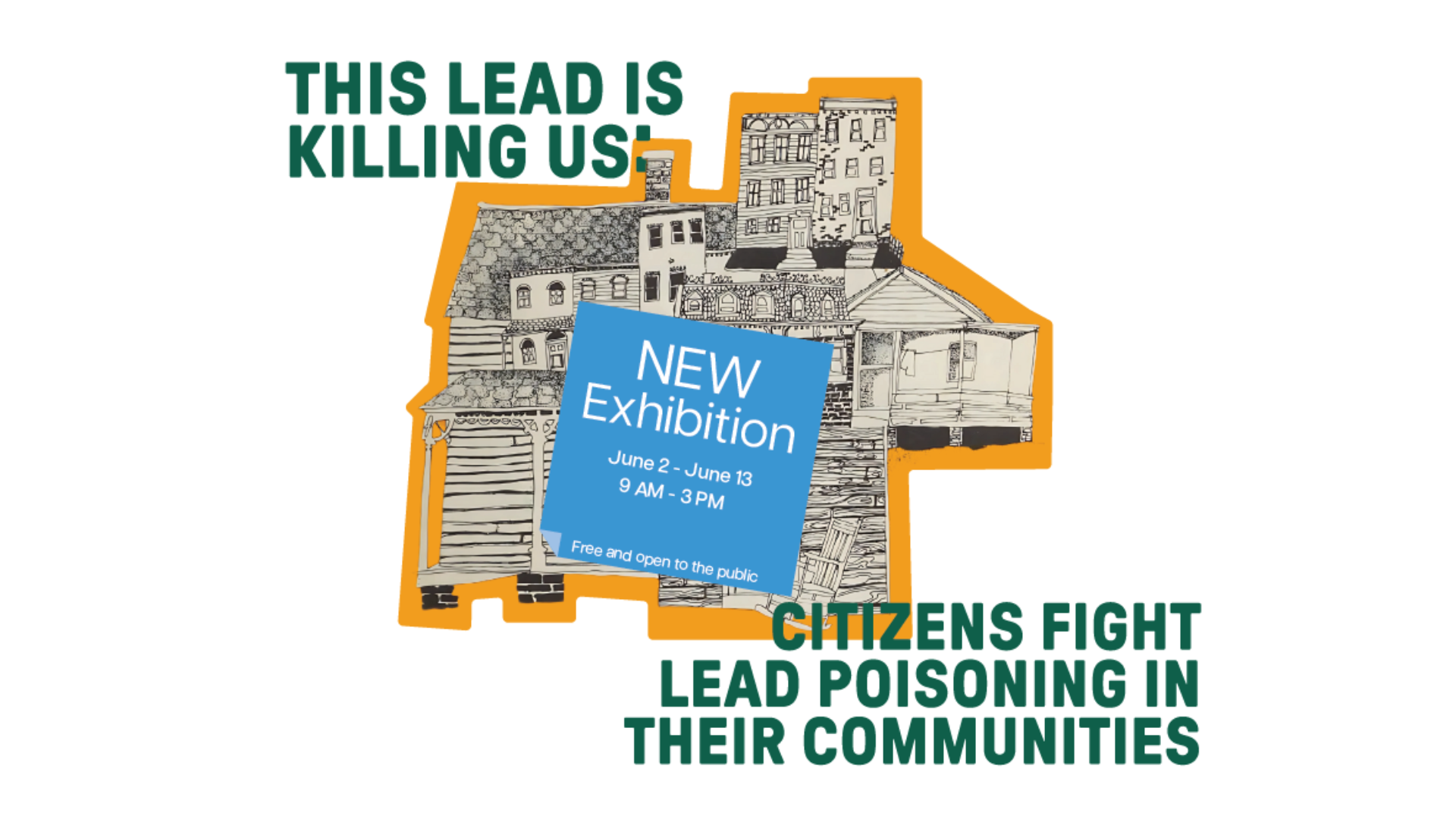
In response to this ongoing crisis, the Rudolph Matas Library of the Health Sciences at Tulane University is sponsoring This Lead Is Killing Us: A History of Citizens Fighting Lead Poisoning in Their Communities, a traveling exhibition from the National Library of Medicine (NLM). The exhibit documents over a century of citizen-led activism to address lead exposure across the United States, including efforts in New Orleans.
The exhibit will be on display June 2–13 on the first floor of East Jefferson General Hospital in Metairie. It is free and open to the public.
As New Orleans continues efforts to replace lead service lines and reduce environmental lead risks, this exhibit stands as a powerful testament to the role of community advocacy in creating safer, healthier environments.
For more information:
Librarians will be available daily to guide visitors through the exhibit, share trusted health information from the NLM, and connect attendees with local resources for reducing lead-based hazards at home.