From Patronage to Principle: Charles E. Dunbar Jr. and the Fight for Merit-Based Civil Service in Louisiana
Published
Voting is how citizens decide what kind of government they will have—including whether public jobs go to the qualified or to the loyal. Two collections at Tulane University Special Collections (TUSC) reveal just how much can turn on a single ballot in Louisiana.
The folder titles of TUSC archival collections can be little stories in themselves. One reads "Suspend the Operation of Civil Service and What Happens..." Another answers it: "Civil Service has not been Suspended..." Both are from 1948, and they are in the records of the Louisiana Civil Service League, which Tulane University Special Collections (TUSC) preserves. TUSC also preserves the papers of Governor Sam Houston Jones. Together, these two archival collections let you hear a public argument over political reform that happened nearly eighty years ago.
In 1930s Louisiana, a state job was something you owed to whoever gave it to you. Public employees paid for their positions in votes, in labor, and sometimes through "deducts," mandatory campaign contributions taken from their paychecks. The federal Pendleton Act of 1883 had already begun shifting the US government’s hiring toward competitive merit examinations, but Louisiana came to the principle late.
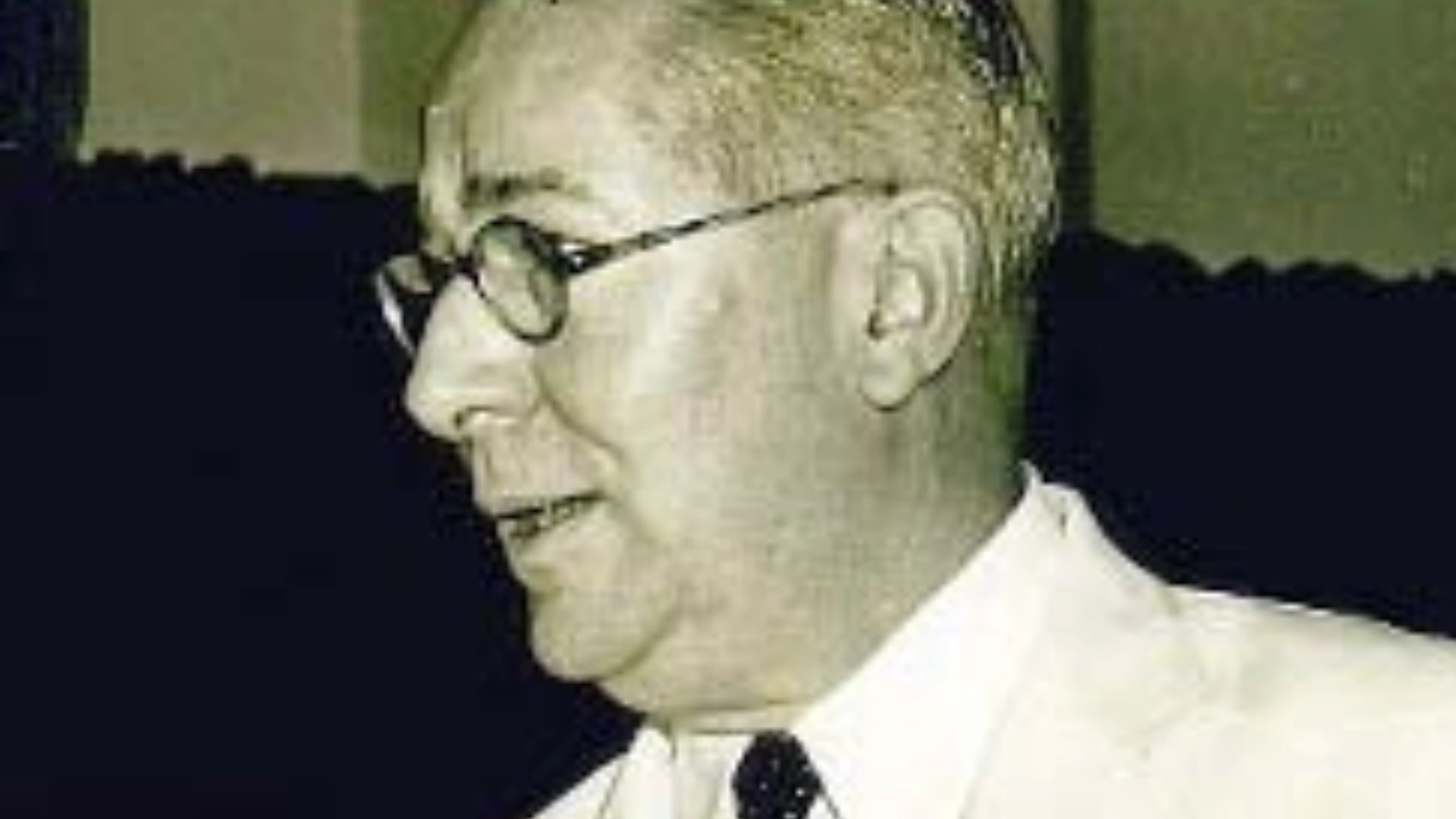
A leader in the fight for a merit-based, politically independent civil service in Louisiana was Charles E. Dunbar Jr. (1888-1959), a New Orleans attorney who in 1940 founded the Louisiana Civil Service League to establish, protect, and promote the merit system. That same year, Governor Jones, who defeated Governor Earl K. Long on a promise to end corruption, signed the state's first civil service reform bill.
In 1948, Earl Long returned to the governor's office and dismantled the merit system. Dunbar and the League responded with a multi-year campaign—using education, candidate pledges, and public appeals —that culminated with a constitutional amendment that placed civil service beyond the reach of any single legislature.
What the boxes hold
- The Louisiana Civil Service League records (LaRC-118, 1932-1992) fill 101 boxes and 57 volumes and include both Dunbar’s personal papers and the League’s organizational records. Dunbar's correspondence runs from 1936 to the mid-1960s. The League's records include minutes, reports, polls, pledges, a public letter to the legislature, Earl Long's June 1950 message to lawmakers on civil service, and more than fifty scrapbook volumes. The collection's second half follows the merit system in daily operation, through Civil Service Commission agendas and opinions into the 1990s.
- The William Walter Jones collection of Sam Houston Jones papers (LaRC-409, 1936-1973) shows the same story from the perspective of the governor's office. The collection bears the name of Sam Jones's older brother, who died in World War I, at the governor's request. It includes State Civil Service Commission and Merit System Council files, 1947-1948 campaign material (with a folder on Earl Long), a series of appointments arranged by parish, and Jones's 1947 campaign speeches, among them a New Orleans rally introduced by Earl Long opponent Mayor Chep Morrison, whose papers TUSC also preserves.
A merit-based civil service in Louisiana, free from patronage and political pressure, was enacted by statute, undone by statute, and finally secured by constitutional amendment. Perhaps reforms are like rights: they last only as long as people are willing to defend them.