What Will the Future Know About Us? Exploring Archives in New Orleans and Beyond
Published:
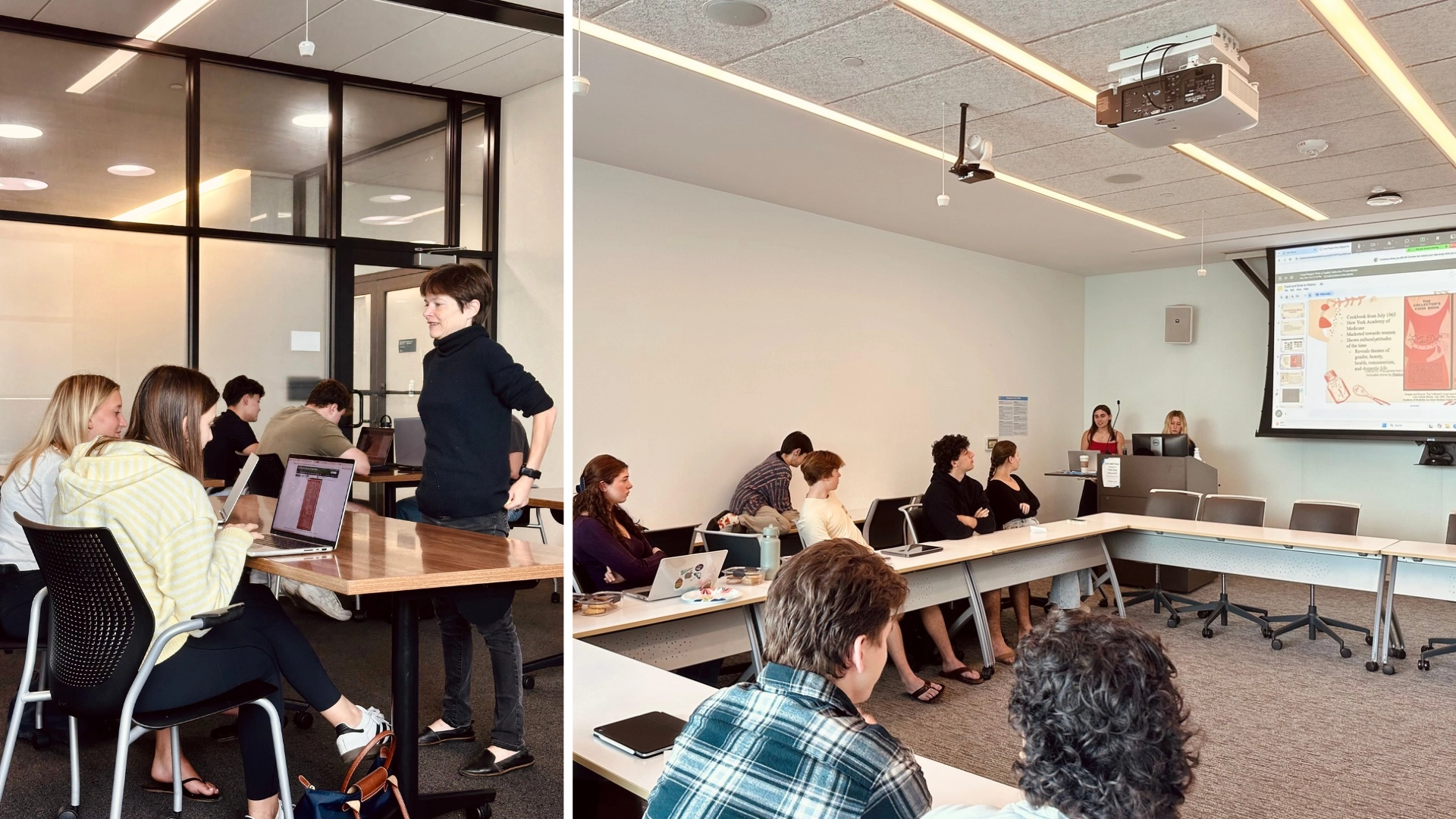
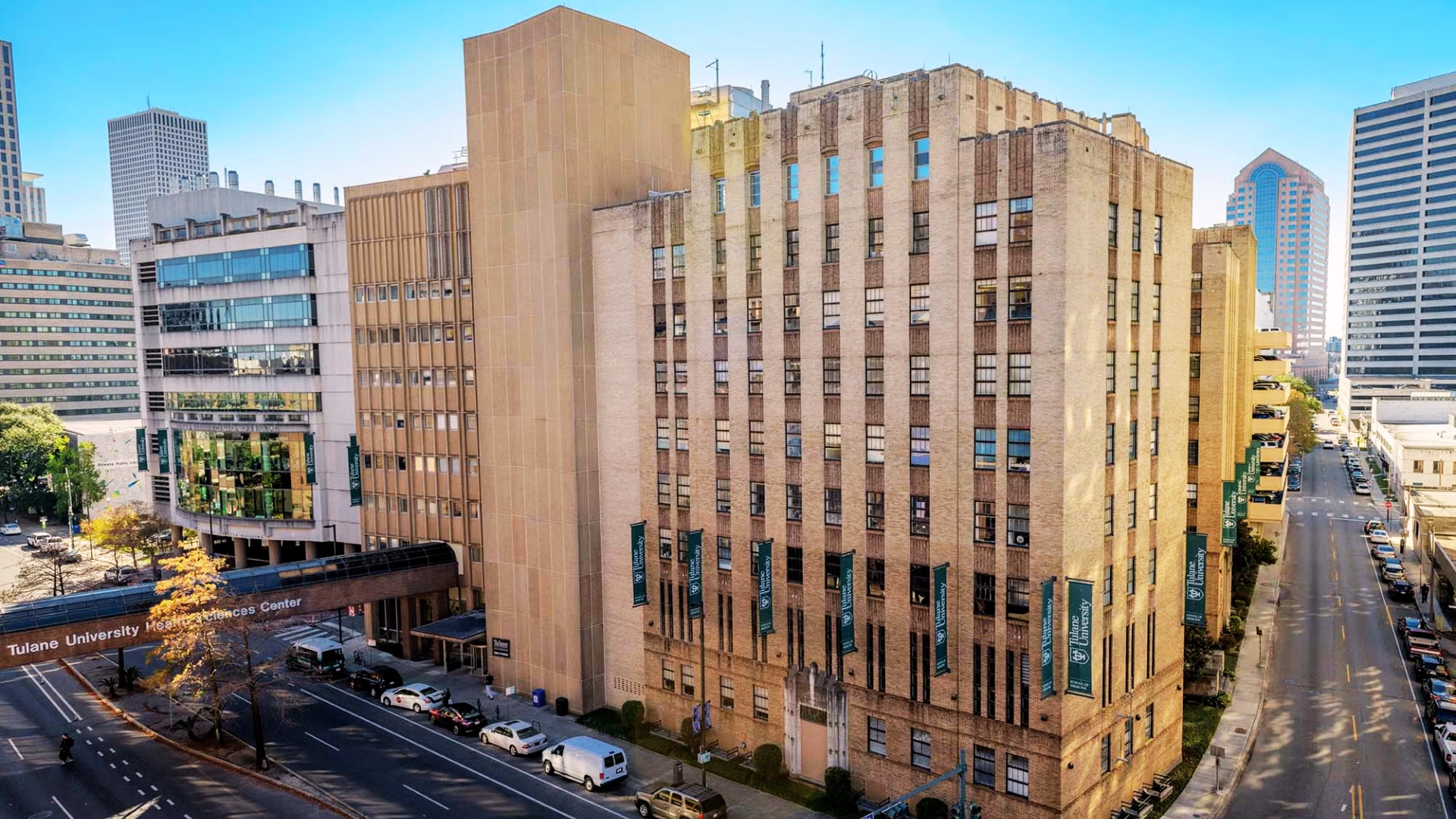
What will people 200 years from now know about our society today? Which stories will they uncover, and whose perspectives will be preserved? These questions drive TIDE 1124: Archives in New Orleans and Beyond, a course co-taught by Tulane University professor Dr. Dale Shuger and Tulane University Libraries’ Director of Scholarly Engagement, Dr. Rachel Stein.
Meeting Friday afternoons, the course introduces students to the history, purpose, and possibilities of archives and asks them to think critically about how evidence of the past and present is collected, organized, preserved, and made accessible. Drawing on the perspectives of historians, librarians, archivists, researchers, activists, and artists, students examine not only what archives contain but also whose stories may have been overlooked or excluded.
Combining historical inquiry with hands-on exploration, the course takes students into a diverse range of archival collections at Tulane and across New Orleans. At the Hogan Archive of New Orleans Music and New Orleans Jazz at Tulane University Special Collections (TUSC), they explore materials with curator Melissa A. Weber. At the Doris Z. Stone Latin American Library, Teresa Clifton introduces them to resources documenting Latin American history and culture. With Maddy Wieand and Zoe Siebert, students also explore Tulane Digital Collections, considering how technology is expanding opportunities to preserve, organize, and share historical materials. Beyond traditional documents and photographs, the course examines archives that preserve sounds, images, and objects, along with new possibilities for collecting and curating knowledge in the digital age.
Students also share what they discover. After each visit, they select an item to photograph or record and write an Instagram caption reflecting on its significance. The strongest submissions may be published on the Tulane University Libraries Instagram account, introducing archival treasures to a wider audience.
For Stein at Tulane University Libraries, the course is a chance to connect students with resources that can inspire future research. A cultural historian of medieval and early modern Spain and Portugal, she brings both her research experience and her library expertise to the classroom. Shuger, whose research focuses on early modern Spain, offers the perspective of a historian who has worked extensively with archival materials. Her publications include Don Quixote in the Archives: Madness in Life and Literature in Early Modern Spain and God Made Word: An Archaeology of Mystic Discourse in Early Modern Spain.
“This isn’t a niche interest, nor is it something that matters only to historians,” says Shuger. “It’s relevant to everyone. It gives students an opportunity to understand both what it’s like to conduct research and the behind-the-scenes work involved in preserving, caring for, and managing an archive.”
The course culminated in a final project in which students select a digital archival collection to explore and present, applying what they have learned about archival research, preservation, and interpretation.
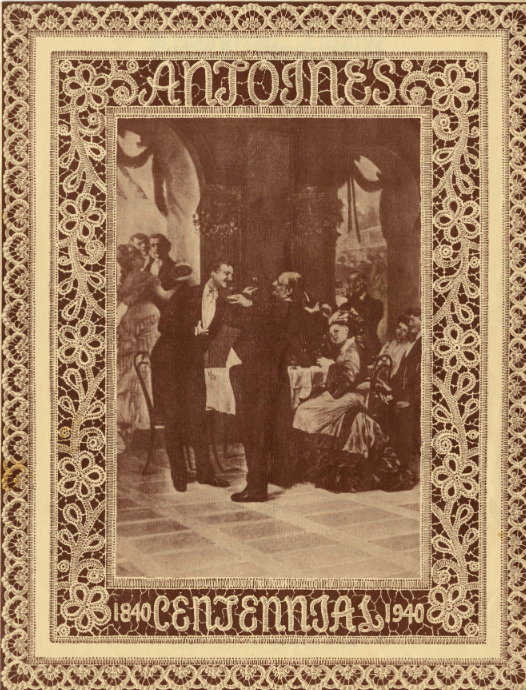
For students like Weller Cole, the visit to Tulane Digital Collections made the work of preservation tangible. “What I liked most was the room where they showed us how they digitize everything with that huge, table-mounted camera,” Cole says. “I can’t imagine how many hours students and staff members have spent adding each page to their collections.” Cole studied a menu from Antoine’s, the historic fine-dining restaurant, written in French. “One thing that immediately stuck out was how much more affordable the food was. I know it’s from a much earlier era, but fine dining has really shot up in cost. “My biggest takeaway is that it takes so much time to upload every piece of media to the cloud, and I’m grateful for what is available online.”
Ultimately, Archives in New Orleans and Beyond challenges students to see archives not simply as repositories of the past but as living collections that shape how history is understood. By exploring what is preserved, what is missing, and what might be collected next, students begin to consider what future generations will know about us.